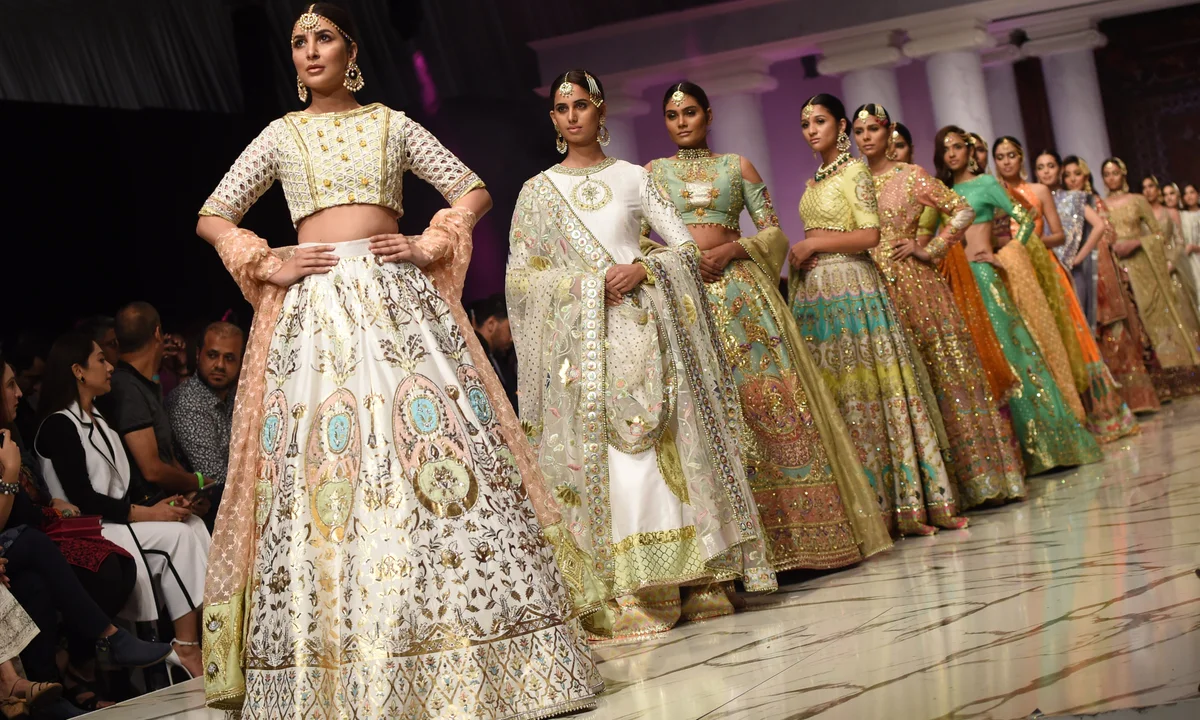
Ah, fashion week season – that magical time when the air buzzes with creativity, and suddenly everyone’s Instagram feed turns into a whirlwind of runway glamour. I remember my first brush with it years ago, sneaking peeks at live streams from my tiny apartment, dreaming of front-row seats. It’s not just about the clothes; it’s the pulse of what’s next in style that hooks you. As we dive into 2026, with shows kicking off amid crisp March vibes, expect a season packed with bold debuts, nostalgic nods, and trends that scream empowerment.
The Essence of Fashion Week Season
Fashion week isn’t just a parade of pretty outfits; it’s where the industry’s heartbeat quickens, setting trends that trickle down to our wardrobes. This season, starting in early 2026, focuses on fall/winter collections, blending heritage with fresh twists. Think of it as a global conversation on style, from New York’s grit to Paris’s elegance, all unfolding over a few intense weeks.
Key Schedules for the Big Four in 2026
The “Big Four” – New York, London, Milan, and Paris – anchor the season, each with its unique flair. Schedules are meticulously planned, often announced months ahead to build hype. For 2026, the action starts in February and spills into March, showcasing fall/winter lines that designers have poured their souls into.
| City | Dates | Focus | Highlights |
|---|---|---|---|
| New York | February 11–16, 2026 | Ready-to-wear, emerging talent | Debuts from Rachel Scott at Proenza Schouler; celebrations like Brandon Maxwell’s 10th anniversary. |
| London | February 19–23, 2026 | Innovative and youthful vibes | Erdem’s 20th anniversary; surprise royal appearances like King Charles at Tolu Coker. |
| Milan | February 24–March 2, 2026 | Luxurious Italian craftsmanship | Maria Grazia Chiuri at Fendi; Demna’s Gucci runway return. |
| Paris | March 2–10, 2026 | Haute couture and sophistication | Sophomore shows from Jonathan Anderson at Dior; Matthieu Blazy at Chanel. |
These dates ensure a seamless flow, with buyers and editors jetting from one city to the next.
Major Designer Debuts and Shifts
This year feels like a fresh chapter, with over 15 creative director changes shaking things up. It’s like the fashion world’s version of musical chairs, but with million-dollar stakes. I once chatted with a stylist who compared it to a high-stakes poker game – you never know who’s bluffing with their vision.
Jonathan Anderson at Dior
Anderson’s sophomore collection promises living craftsmanship, blending whimsy with Dior’s iconic silhouettes. Expect architectural dresses that nod to the house’s history while pushing boundaries.
Matthieu Blazy at Chanel
Blazy’s debut explores impermanence, with collections that feel poetic yet wearable. Picture tweed reimagined with modern fluidity, perfect for the woman on the go.
Demna at Gucci
Demna revives icons like the Bamboo bag with unabashed sex appeal. His shows are spectacles, often cinematic, drawing crowds eager for that Balenciaga edge infused into Gucci’s legacy.
Other notables include Haider Ackermann at Tom Ford, emphasizing seductive tailoring, and Maria Grazia Chiuri bringing femininity to Fendi. These shifts aren’t just personnel changes; they’re redefining brand DNAs.
Emerging Designers to Watch
Beyond the big names, 2026 spotlights fresh voices, especially in sustainability and inclusivity. It’s heartening to see how these up-and-comers infuse personal stories into their work, making fashion feel more relatable.
- Tolu Coker: With royal endorsements, her designs weave African heritage with modern cuts.
- Diotima and Zankov: Debut runways promise buzz with strong, innovative collections.
- L’Enchanteur: As CFDA/Vogue Fashion Fund winner, expect ethereal, boundary-pushing pieces.
These talents remind me of my early days discovering indie brands at pop-ups – that thrill of finding something unique before it goes viral.
Top Trends Shaping Fall/Winter 2026
Trends this season are a mix of nostalgia and boldness, reflecting a world craving joy amid change. From runway to street, expect pieces that empower and delight. Here’s a visual peek at some standout looks:
Seductive Tailoring and Sex Appeal
Sexiness is back, baby! Designers like Ackermann at Tom Ford and Vaccarello at Saint Laurent are dialing up the allure with lace, browns, and double-breasted blazers that hug curves just right.
’80s Maximalism and Power Glam
Maximalism reigns with ’80s vibes – think sculptural shoulders, chunky belts, and bold jewelry. It’s unapologetic indulgence, as seen in Bottega and Gucci, perfect for stepping into your power.
Brooches and Historical Revivals
Brooches are making a comeback, blending Victorian roots with modern twists. This trend signals a revival of craftsmanship, adding personality to minimalist outfits.
’90s Minimalism and Restraint
Countering the max, ’90s minimalism resurfaces at Calvin Klein, with clean lines and muted palettes offering a blueprint for everyday elegance.
Bold Colors and Prints
Electric blues, mint greens, and polka dots dominate, injecting optimism. Yves Klein blue at Loewe and Valentino suggests 2026 will be vibrant – a far cry from quiet luxury.
Pros of Embracing These Trends:
- Boosts confidence with empowering silhouettes.
- Versatile for mixing high-low fashion.
- Sustainable nods in revived vintage elements.
Cons:
- Maximalism can overwhelm minimalist wardrobes.
- Bold colors might clash with neutral lovers.
- Historical pieces require styling savvy to avoid costume vibes.
These trends aren’t just fleeting; they’re responses to cultural shifts, like post-pandemic joy-seeking.
Sustainability Focus in 2026 Shows
Sustainability isn’t a buzzword anymore; it’s woven into the fabric of fashion week. Expect more eco-friendly materials and transparent practices, especially in London and Copenhagen weeks.
Eco-Innovations on the Runway
Brands like Stella McCartney lead with vegan leathers, while emerging designers upcycle fabrics. It’s inspiring – I once attended a show where models wore outfits from recycled ocean plastic, proving style and planet can coexist.
Pros and Cons of Sustainable Fashion at Shows
Pros:
- Reduces industry waste.
- Appeals to conscious consumers.
- Sparks innovation in materials.
Cons:
- Higher costs for small brands.
- Limited scalability for haute couture.
- Risk of greenwashing scrutiny.
Look for certifications like GOTS in collections for authenticity.
How to Attend Fashion Week Events
Dreaming of rubbing elbows with editors? Attending requires planning, from tickets to outfits. Start with official sites for invites or public events.
Where to Get Tickets
Platforms like Fashion Week Online offer real tickets, often starting at $100 for general access. For exclusives, network via LinkedIn or attend satellite events.
Navigational Tips for First-Timers
Map out venues – NYFW scatters across Manhattan. Pack comfy shoes; those cobblestones in Paris are killers. And remember, it’s about connections as much as clothes.
Best Tools for Watching Fashion Week Remotely
Can’t make it? No sweat – digital access has exploded. Live streams and apps bring the runway to your couch.
Top Streaming Platforms
Vogue Runway and NYFW.com offer free live coverage. For in-depth, subscribe to apps like Fashion GPS.
Transactional Picks: Best Apps and Sites
- Vogue App: Real-time updates and behind-the-scenes.
- Fashion Week Online: Comprehensive calendars and virtual tickets.
- YouTube Channels: Official brand streams for replays.
I binge-watched last year’s shows during a rainy weekend – felt like I was there without the jet lag.
Comparisons: 2026 vs. 2025 Fashion Weeks
How does 2026 stack up? Last year was debut-heavy, but this season refines those visions with more sophomore shows.
| Aspect | 2025 | 2026 |
|---|---|---|
| Debuts | Unprecedented wave (15+ new directors) | Focus on sophomores; calmer but refined. |
| Trends | Minimalism dominant | Shift to maximalism and boldness. |
| Sustainability | Emerging focus | Deeper integration, like eco-runways. |
| Digital Access | Hybrid shows peak | Enhanced VR experiences. |
This evolution shows fashion adapting to a post-shakeup era.
People Also Ask: Common Fashion Week Queries
Drawing from real Google searches, here’s what folks are curious about.
- What is fashion week? A week-long event where designers showcase collections to buyers and media, influencing trends.
- When is fashion week? Twice yearly; 2026 fall/winter runs February-March across major cities.
- How does fashion week work? Invite-only shows, but public access via tickets or streams; it’s a mix of runway, presentations, and parties.
- Why does fashion week matter? It sets global trends, boosts economies, and spotlights creativity.
These questions highlight fashion week’s allure – it’s accessible yet aspirational.
Internal and External Links for Deeper Dives
For more, check Vogue’s fashion shows for reviews. Internally, explore our guides on sustainable brands or trend forecasts. External: Fashion Week Online for tickets.
FAQ: Your Burning Questions Answered
What should I wear to fashion week?
Opt for personal style with comfort – think layered outfits for changing venues. Avoid over-the-top unless it’s your vibe; authenticity wins.
How can I get invited to shows?
Build networks via social media, internships, or blogging. Start small with emerging designer events.
Are fashion weeks going virtual in 2026?
Hybrid models persist, with live streams enhancing access, especially post-pandemic.
What’s the economic impact of fashion week?
It generates billions; NYFW alone boosts NYC by $600 million annually through tourism and sales.
How do trends from shows reach stores?
Buyers order pieces post-show; fast fashion adapts quickly, while luxury drops in 6 months.
In wrapping up, fashion week 2026 promises a blend of excitement and evolution. Whether you’re front-row or streaming, it’s a reminder of fashion’s power to inspire. I’ve shared my takes from years of following – now, go make it your own.
Leave a Reply